See & Do New Orleans
Old streets, live music every night, serious food and a calendar full of parades.
See things to do »New Orleans at a Glance
New Orleans does not feel like anywhere else in the United States, and that is the reason to come. The French founded it in 1718 on a curve of the Mississippi, the Spanish rebuilt much of it after two great fires, and Africans, Caribbean islanders, Acadians, Germans, Irish, Sicilians and Vietnamese all left their mark on how the city cooks, worships, builds and celebrates. You can hear the result on almost any street corner after dark. Much of the city sits below sea level inside a ring of levees, which is one reason its old cemeteries are built above ground, and locals give directions by the river and the lake rather than by north and south.
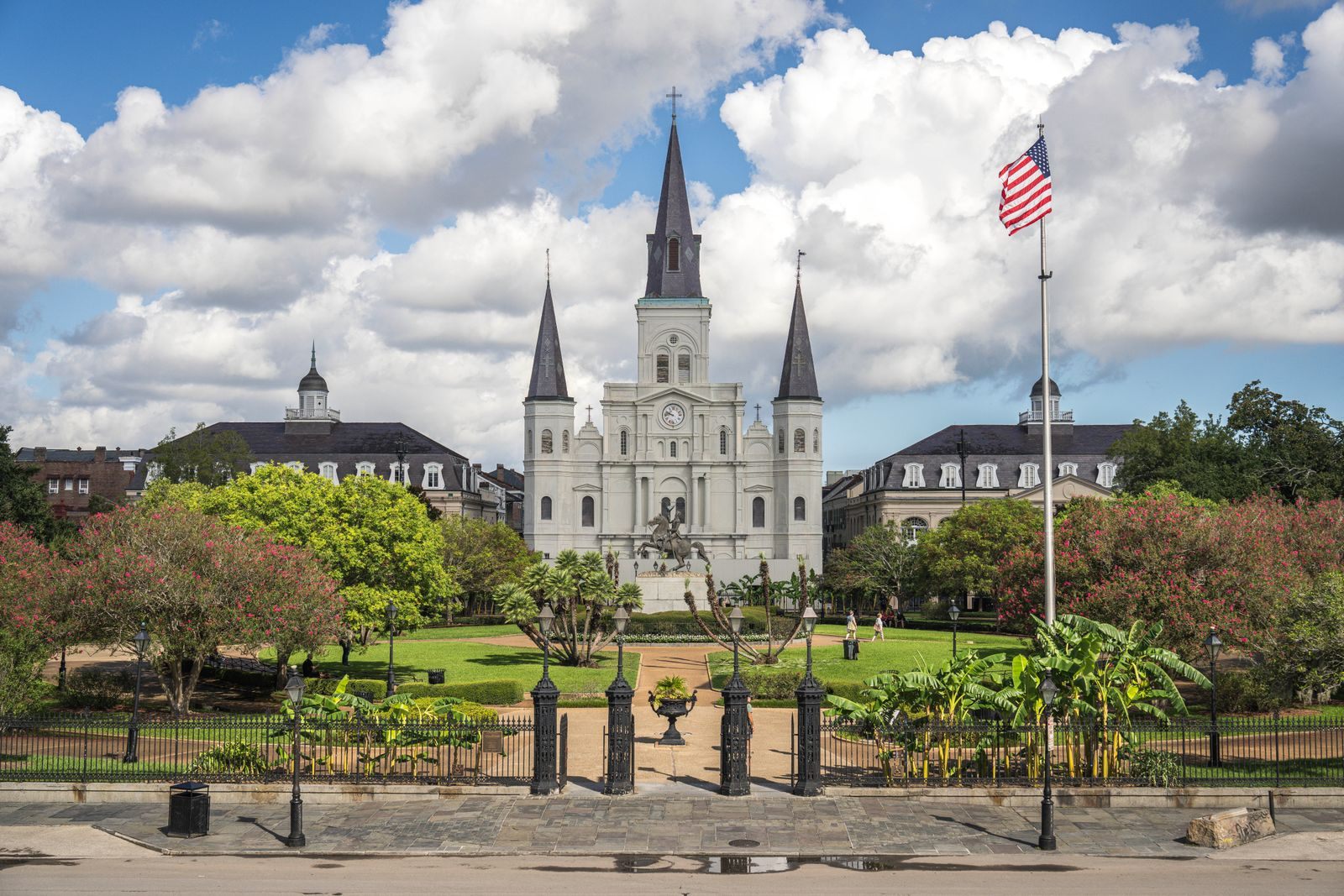
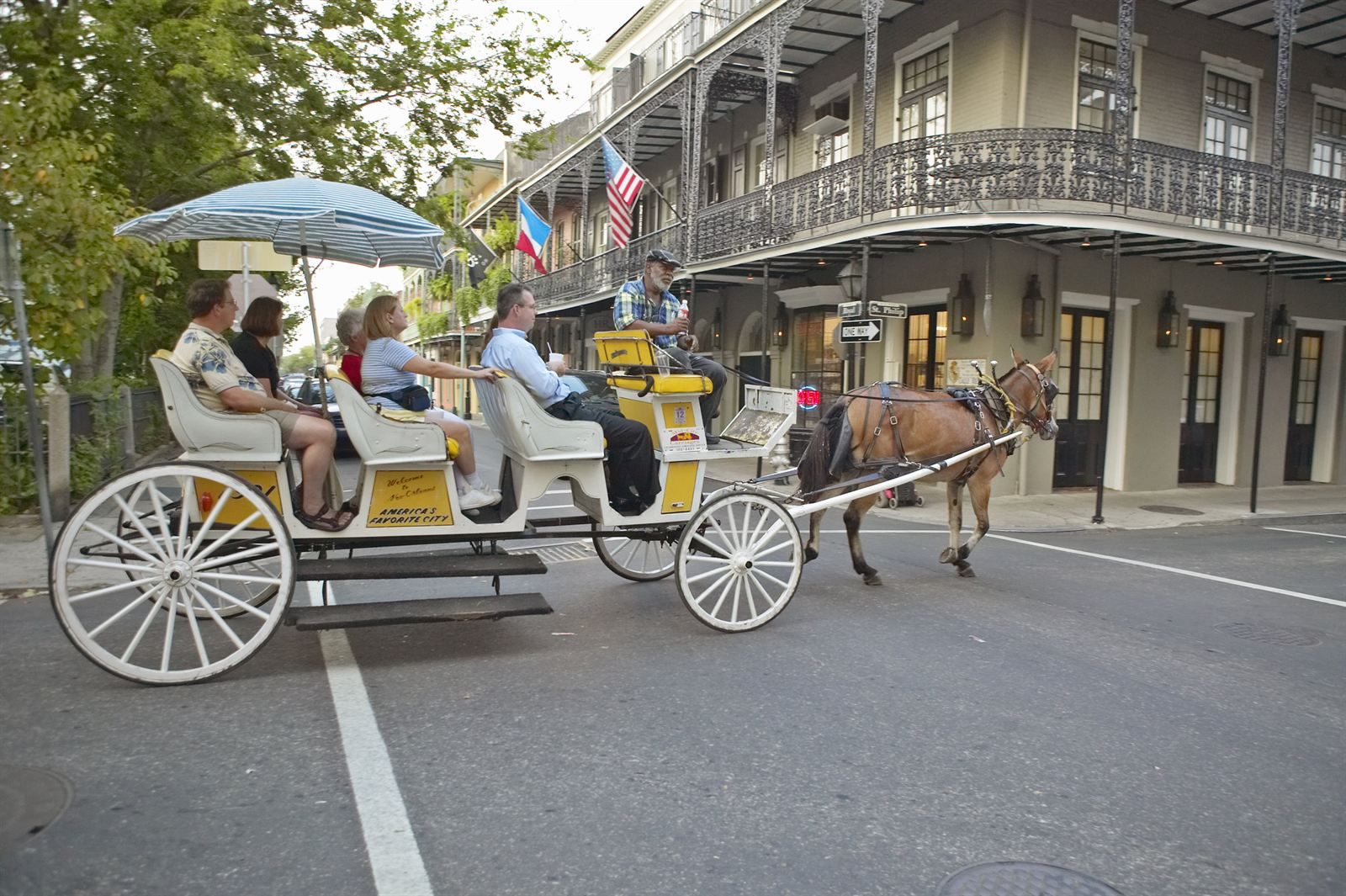
Most first visits start in the French Quarter, the original grid of streets between Canal Street, Esplanade Avenue and the river. Jackson Square and St. Louis Cathedral sit at its center, Royal Street is lined with galleries and antique shops, and Bourbon Street is the loud, late-night strip that everyone walks at least once. The quieter residential blocks toward Esplanade, with their iron balconies, shuttered cottages and hidden courtyards, are the part many visitors end up liking most.
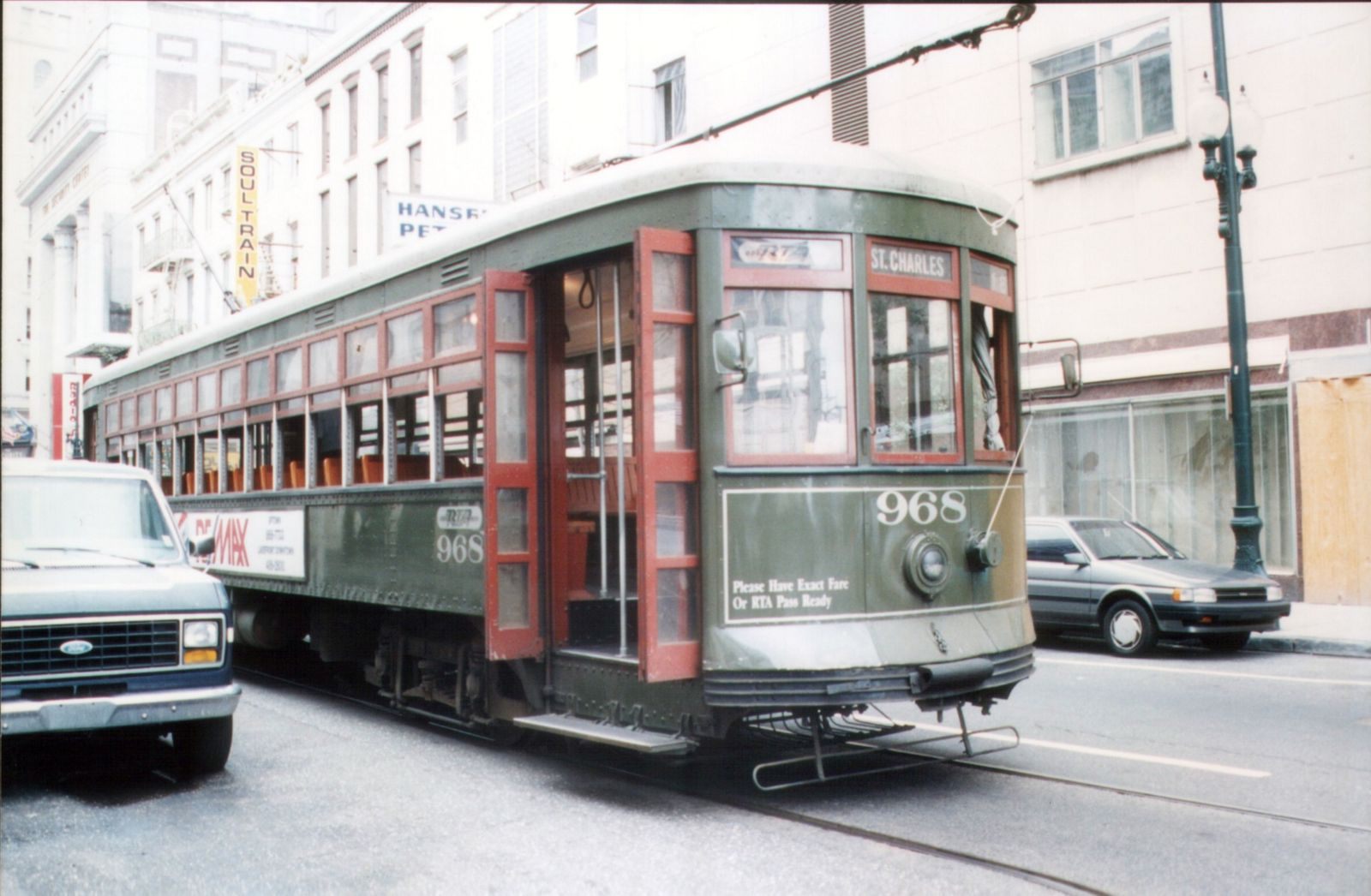
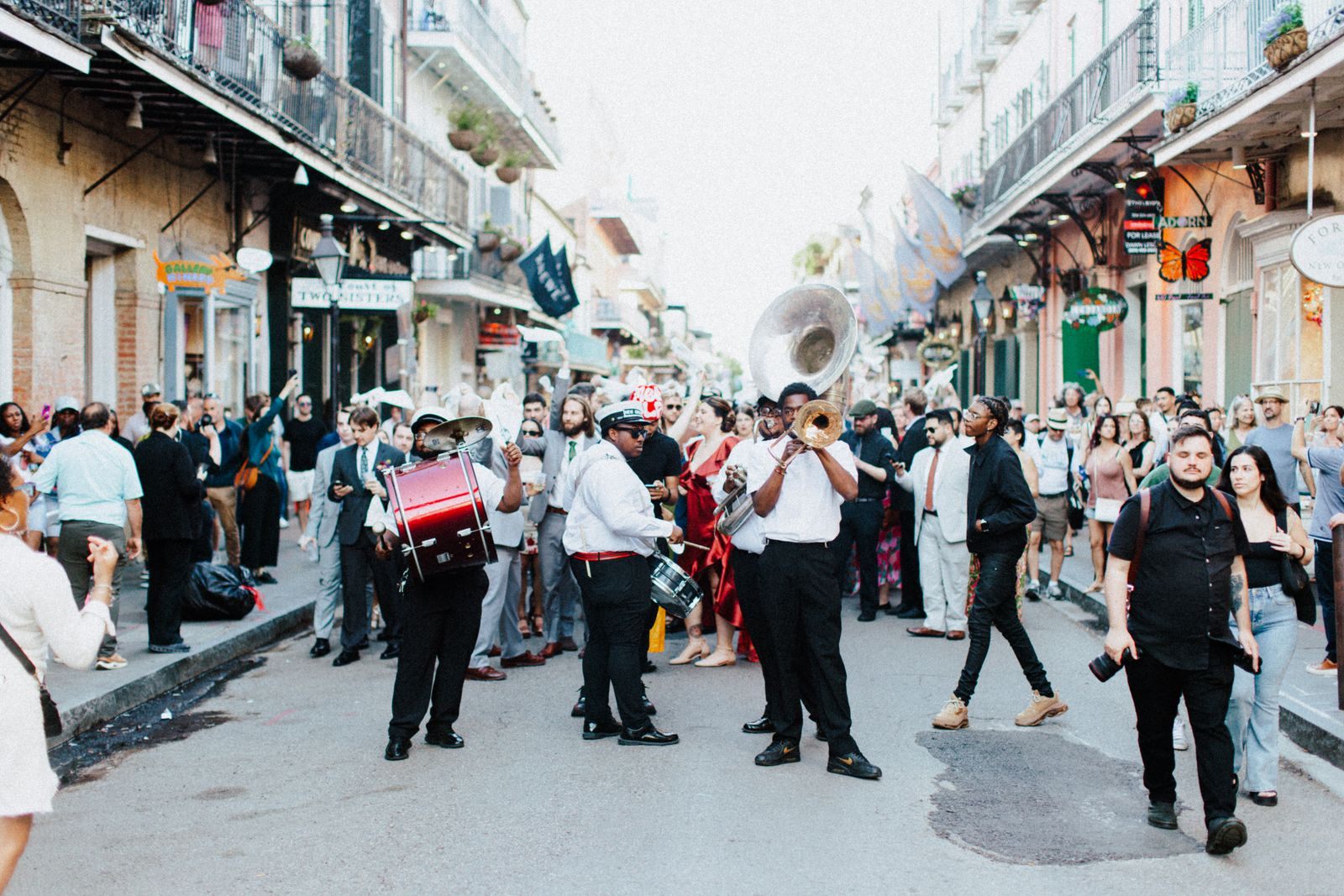
The St. Charles streetcar runs from the edge of the Quarter through the Garden District, where nineteenth-century mansions stand under live oaks, and on past Tulane and Loyola universities to Audubon Park. Downriver, the Faubourg Marigny and Bywater are home to Frenchmen Street, the best block in town for live jazz, brass bands and blues, while Treme, one of the oldest Black neighborhoods in the country, is where second-line parades, jazz funerals and the Mardi Gras Indian tradition grew up. The Warehouse District holds the National WWII Museum, and Mid-City has City Park and the New Orleans Museum of Art.
Beyond the city, swamps and bayous begin within half an hour. Boat tours glide through cypress and Spanish moss looking for alligators and herons, and the River Road upriver passes a line of former plantations. Several of them, including Whitney, Laura and Oak Alley, now interpret the lives of the enslaved people whose forced labor built them, and a visit is a sobering and important part of understanding Louisiana.
Food is half the trip. Gumbo, red beans and rice, po-boys, beignets, crawfish in spring and oysters most of the year are easy to find, and the old-line Creole dining rooms in the Quarter still serve dishes they claim to have invented. This guide has five area pages with live, bookable tours and tickets from Viator and Tiqets, a dining page and an events page covering Mardi Gras, Jazz Fest and the rest of the festival year. New Orleans is also a cruise port, and many travelers add a few days in the city before or after a Caribbean sailing.
Explore New Orleans by Area

Top-Rated Things to Do in New Orleans
 Viator
 Viator
 Viator
 Viator
 Viator
 Viator
 Viator
 Viator
Tours, tickets, prices and reviews from Viator (a Tripadvisor company) and Tiqets — prices are per person, from, and were checked October 31, 2026. See & Do New Orleans may earn a commission when you book, at no extra cost to you.
Where to Eat in New Orleans
New Orleans may be the best eating city in the country. In the French Quarter, Antoine's, Galatoire's and Arnaud's still set tables the old way, Cafe Du Monde fries beignets around the clock, and Central Grocery stacks its muffulettas high. In Mid-City and Treme, Dooky Chase's, Parkway Bakery and neighborhood joints serve gumbo, fried chicken and po-boys, while chefs in the Warehouse District cook modern Louisiana food.
Festivals and Events in New Orleans
New Orleans celebrates all year. Carnival season builds to Mardi Gras in February or early March, French Quarter Festival fills the Quarter with free music in April, and Jazz Fest takes over the Fair Grounds for two weekends from late April into May. Summer brings the Essence Festival and Satchmo SummerFest, fall has the Po-Boy Festival, and City Park glows with holiday lights in December.
Want help planning New Orleans?
Tell us when you are coming and what you enjoy. A travel specialist will put together hotel, activity and travel options for you — free, with no obligation.
Get free trip quotes »Plan Your New Orleans Trip
New Orleans — FAQ
How many days do I need in New Orleans?
Three full days covers the French Quarter, the Garden District by streetcar, a night of music on Frenchmen Street and either a museum or a swamp tour. Five days lets you add a River Road plantation visit, City Park and a few long meals.
When is the best time to visit New Orleans?
Spring, from February through May, has the best weather and the biggest festivals, including Mardi Gras, French Quarter Festival and Jazz Fest. Fall is pleasant and less crowded. Summer is very hot and humid, and hurricane season runs from June through November.
Do I need a car in New Orleans?
Not in the city. The French Quarter, Marigny and Warehouse District are walkable, and streetcars run along St. Charles Avenue, Canal Street and the riverfront. Parking is expensive. Rent a car only for day trips, or book tours that include transportation.
Is New Orleans a good place to start a cruise?
Yes. Cruise ships sail from the Port of New Orleans terminals near the Warehouse District to the western Caribbean and Mexico. Many travelers arrive a day or two early to explore the city before boarding.
Is the French Quarter safe for visitors?
The busy parts of the Quarter are crowded day and night and generally fine for visitors who use normal city sense. Stay on well-lit, busy streets late at night, watch your belongings in crowds and take a taxi or rideshare when you head to other neighborhoods after dark.