Things to Do in Treme, the Marigny and Live Music
Where New Orleans music was born and where it still plays every night.
See top-rated activities »About Treme and the Marigny
Just across Rampart Street from the French Quarter, Treme is one of the oldest Black neighborhoods in the United States, home to free people of color as early as the late eighteenth century. Congo Square, now inside Louis Armstrong Park, is where enslaved and free Africans gathered on Sundays to drum, dance and trade, and the rhythms heard there fed directly into the music that became jazz. Treme is also home ground for many brass bands, social aid and pleasure clubs and Black Masking Indian tribes, whose hand-sewn beaded suits are some of the most remarkable folk art in the country.
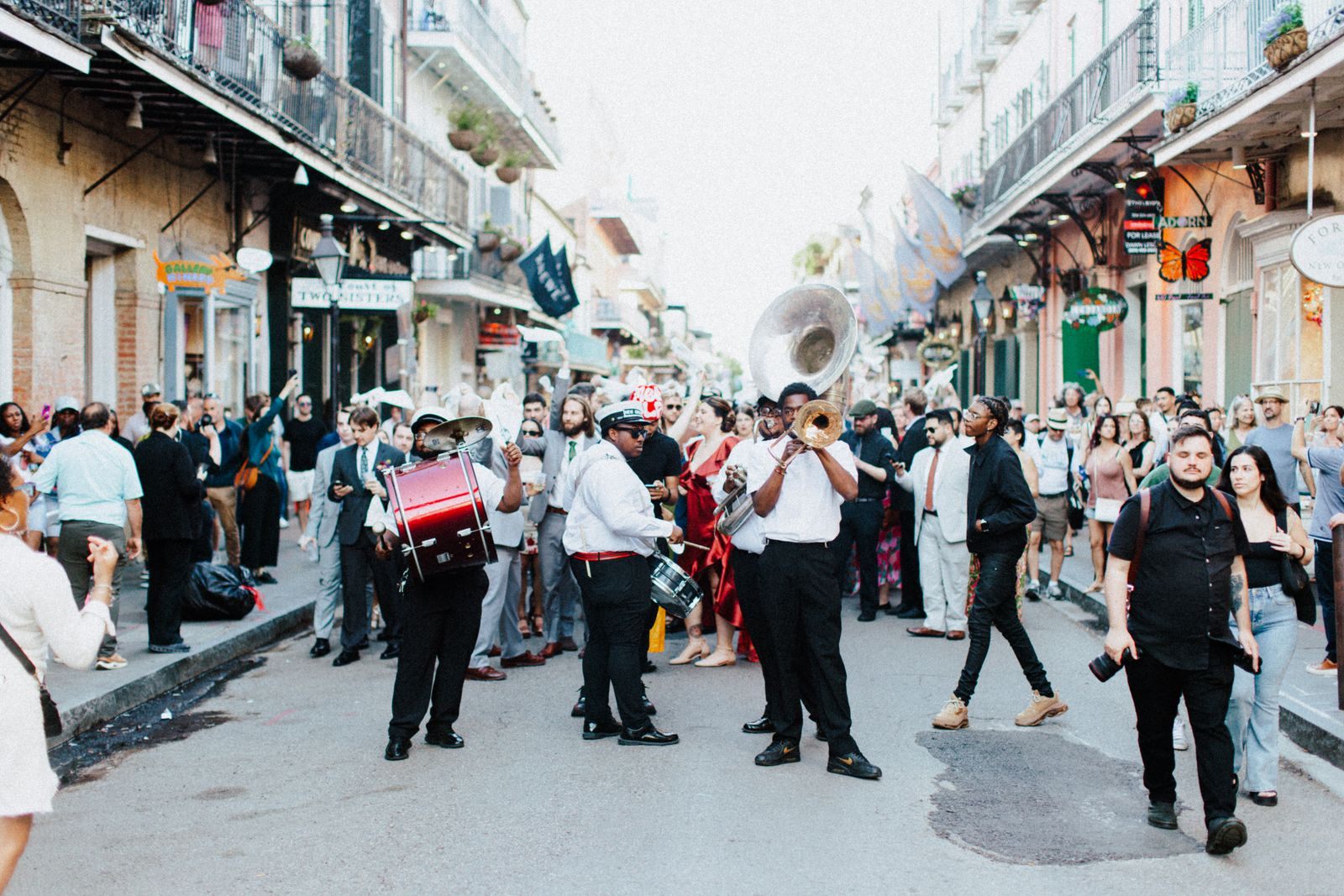
The Backstreet Cultural Museum in Treme preserves that culture, with suits, photographs and film from Mardi Gras Indian processions, second-line parades and jazz funerals. On many Sundays outside the summer, a social aid and pleasure club parades through its neighborhood with a brass band and a crowd dancing behind, the second line. Visitors are welcome to join, respectfully and toward the back. The New Orleans Jazz National Historical Park runs ranger talks and free performances that explain how it all fits together.
For live music at night, go to Frenchmen Street in the Faubourg Marigny, a few blocks downriver from the Quarter. In two short blocks you will find small clubs with music from early evening until late, often with no cover or a modest one, and bands playing traditional jazz, brass, funk, blues and Latin music. Snug Harbor is a sit-down jazz room, the Spotted Cat is tiny and packed, and the Frenchmen Art Market sells local work between the clubs. Beyond the Marigny, the Bywater has colorful shotgun houses, murals and Crescent Park along the river.
The radio station WWOZ publishes a daily listing of who is playing where, and it is the most useful tool in town for planning a night out.
Don’t Miss
Two blocks of small clubs with live jazz, brass and blues every night, a short walk from the French Quarter.
A sit-down jazz room with two sets most nights and a restaurant downstairs.
An evening art and craft market among the music clubs, with work by local and regional artists.
The open square where enslaved and free Africans gathered on Sundays in the 1800s, now part of a park named for the city's most famous musician.
A community museum of Mardi Gras Indian suits, second-line and jazz funeral traditions, founded by photographer Sylvester Francis.
Ranger programs, talks and free live performances about the history of New Orleans jazz.
Top-Rated Tours, Tickets & Activities in Treme and the Marigny
 Viator
 Viator
 Viator
 Tiqets
 Viator
 Viator
 Viator
 Viator
 Viator
 Viator
 Viator
 Viator
 Viator
Tours, tickets, prices and reviews from Viator (a Tripadvisor company) and Tiqets — prices are per person, from, and were checked October 31, 2026. See & Do New Orleans may earn a commission when you book, at no extra cost to you.
Plan your time in Treme and the Marigny
Tell us when you are coming and what you enjoy. A travel specialist will put together hotel, activity and travel options for you — free, with no obligation.
Get free trip quotes »Treme and the Marigny — FAQ
Where is the best live music in New Orleans?
Frenchmen Street in the Marigny has the highest concentration of good live music, every night of the week. Preservation Hall in the French Quarter is the place for traditional jazz, and WWOZ's daily Livewire calendar lists gigs across the city.
What is a second line?
A second line is a street parade led by a brass band and a social aid and pleasure club or a family, with the crowd that follows and dances forming the "second line." Many neighborhood clubs parade on Sundays from late summer into spring.
More of New Orleans