Things to Do in Swamp Tours and River Road Plantations
Cypress swamps, alligators and the history of the River Road, within an hour of the city.
See top-rated activities »About the swamps and River Road
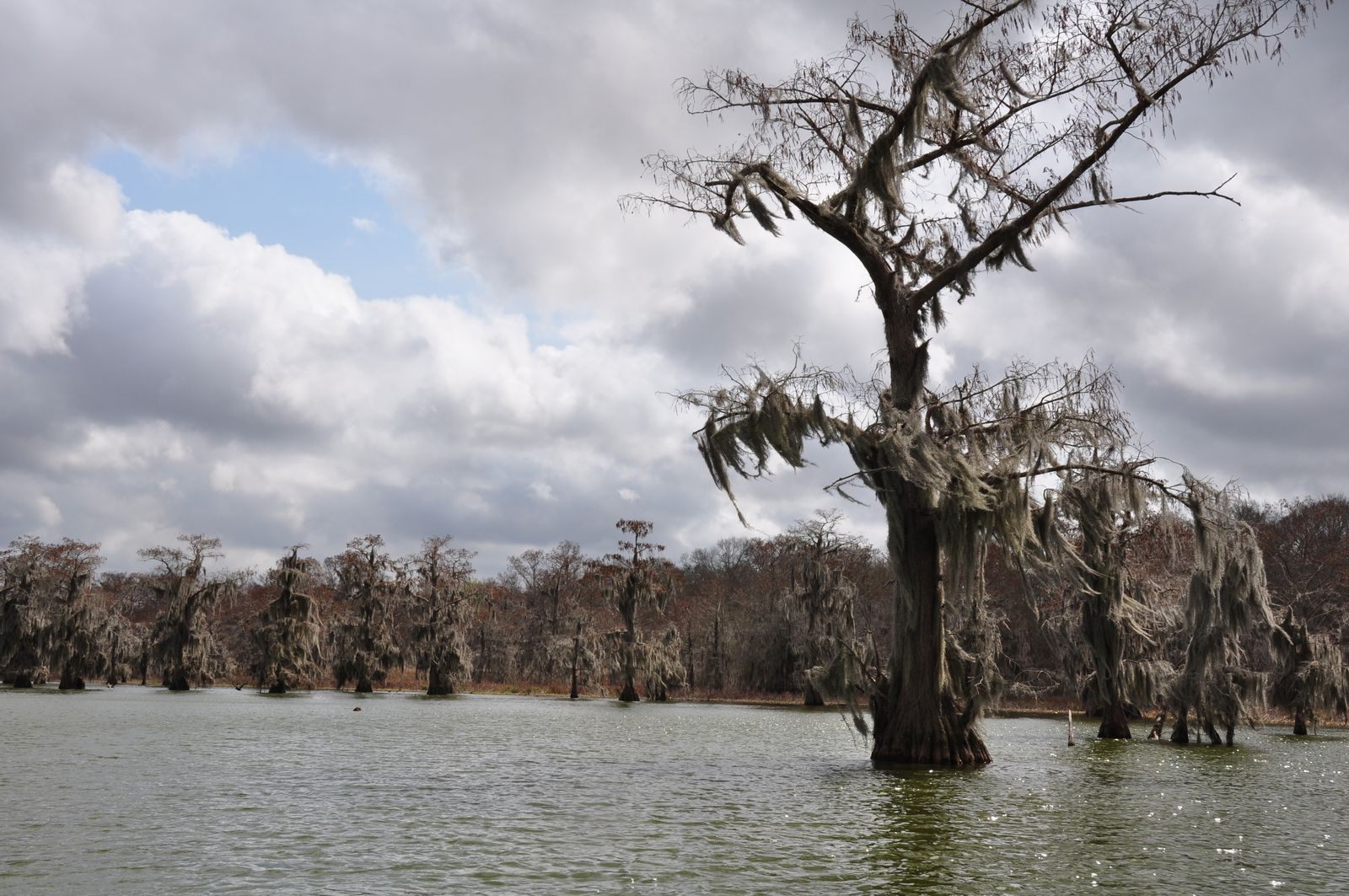
Southeast Louisiana is mostly water, and the wetlands start within half an hour of downtown. Swamp tours run on flat-bottomed boats or faster airboats through cypress and tupelo forest draped in Spanish moss, with guides pointing out alligators, turtles, herons and egrets. Alligators are most active in the warm months and tend to stay out of sight in winter. Kayak tours offer a quieter way into the same landscape. Most companies include round-trip transportation from New Orleans hotels, or you can drive yourself and save time.
For a free alternative, the Barataria Preserve, part of Jean Lafitte National Historical Park and Preserve, has boardwalk trails through swamp, marsh and bottomland forest about thirty minutes south of the city. Go early in the morning for birds and cooler air, and bring insect repellent.
Upriver from New Orleans, the River Road follows the Mississippi past refineries and small towns and a series of former sugar and indigo plantations. Their wealth was built on the forced labor of enslaved people, and the best sites now tell that history directly. Whitney Plantation is a museum devoted to the history and legacies of slavery in the United States, built around memorials to the people enslaved in Louisiana. Laura Plantation, a Creole site, uses documents and surviving cabins to tell the stories of the family who owned it and the people they held in bondage. Oak Alley, known for its double row of live oaks, has expanded its exhibits on slavery and publishes a research database of the people enslaved there. Destrehan, the closest to the city, was the site of trials after the 1811 German Coast uprising, the largest slave revolt in United States history.
Many tour companies combine a swamp tour with one plantation in a full day. If you can only visit one plantation, Whitney gives the most complete account of slavery; allow time afterward to reflect.
Don’t Miss
Boardwalk trails through swamp and marsh in Jean Lafitte National Historical Park and Preserve, about 30 minutes from the city. Free.
A nonprofit museum on the history and legacies of slavery in the United States, set on a plantation that operated from 1752 to 1975. Closed Tuesdays.
A Creole heritage site whose guided tours draw on documented histories of the owning family and of the enslaved people who lived and labored there.
A National Historic Landmark known for its alley of live oaks, with exhibits on slavery and a public database of the people enslaved on the property.
The closest River Road plantation to New Orleans, with exhibits on the 1811 slave uprising and the trials held there afterward.
Top-Rated Tours, Tickets & Activities in the swamps and River Road
 Viator
 Viator
 Viator
 Viator
 Viator
 Viator
 Viator
 Viator
 Viator
 Viator
 Viator
 Viator
 Viator
 Viator
Tours, tickets, prices and reviews from Viator (a Tripadvisor company) and Tiqets — prices are per person, from, and were checked October 31, 2026. See & Do New Orleans may earn a commission when you book, at no extra cost to you.
Plan your time in the swamps and River Road
Tell us when you are coming and what you enjoy. A travel specialist will put together hotel, activity and travel options for you — free, with no obligation.
Get free trip quotes »the swamps and River Road — FAQ
When is the best time for a swamp tour?
Spring through fall, when alligators are active and visible. Morning tours are cooler and often better for birds. In winter the swamp is quieter, but the scenery is still worth the trip.
Which River Road plantation should I visit?
Whitney Plantation focuses entirely on the history of slavery and is the most complete account. Laura offers a detailed look at Creole family life alongside the lives of the enslaved, and Oak Alley is known for its oaks and growing slavery exhibits. Destrehan is closest to the city.
Do swamp tours include hotel pickup?
Many do, for an added fee. Driving yourself saves time and money, since most tour docks are 30 to 60 minutes from the French Quarter.
More of New Orleans